Python Programming · Week 1
Orientation and Setup:
Your First Program
Hyeongmin Lee · SeoulTech, Dept. of Electronic Engineering

About me
Hyeongmin Lee
Assistant Professor · Dept. of Electronic Engineering · ViViD Lab
I teach computers to see, and to imagine.
This course
no experience needed
we start from zero
hands-on
you write code every week
your first language
the ideas transfer to every language
The weekly cycle
theory video
the idea
practice video
code along
exercise
try it yourself
in-person class
solutions · Q&A
↻ every week · everything on e-Class
Exercise solutions appear only in class.
Grading
10%
attendance
30%
midterm
30%
final
30%
homework
homework = light weekly exercises · the easiest points in this course
Exams
written on paper, code by hand
write code · find the error · predict the output
The exercises are the exam prep.
Attendance rules
- · attendance is checked, every class in the classroom · videos on e-Class
- · no points lost missing a class or two will not lower your score
- · one hard rule: attend at least 2/3 below 2/3 → F, by university rules · 3 lates = 1 absence
Exercises and AI
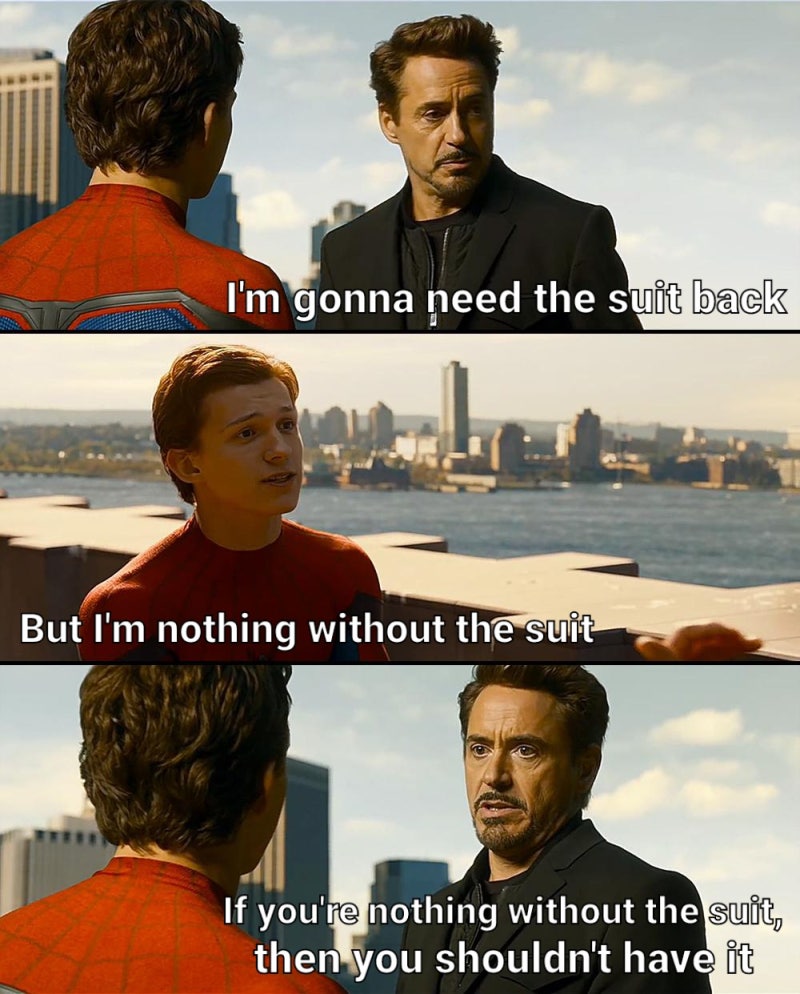
Spider-Man: Homecoming (2017)
“If you're nothing without the suit,
then you shouldn't have it.”
Using AI well
- 1 try it without AI first ten minutes of struggle beat one hour of copying
- 2 ask why, not answers “explain this error” beats “solve this for me”
- 3 then write your own code read, understand, close the window, type it yourself
Train without the suit.
Language
lectures in English
code · error messages · documentation: all in English anyway
Korean recap at the end of every class
so nobody gets lost
Getting help
office
Changhak Hall 334-1
hyeongmin.lee@seoultech.ac.kr
topics
course · career · anything
Email me first to set a time. Do not sit alone with a problem for a week.
A question
import turtle

t = turtle.Turtle()
t.speed(0)

for i in range(300):
    t.forward(i * 0.5)
    t.left(91)
What do these six lines do?
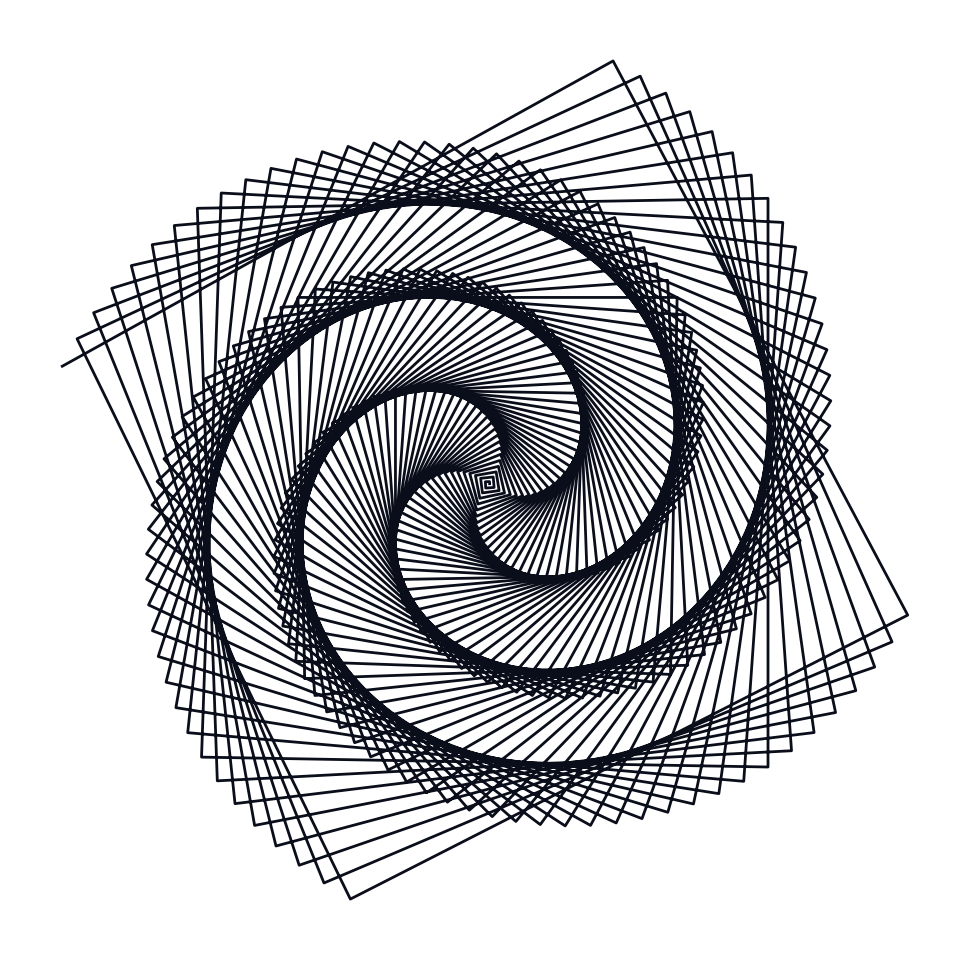
six lines.
In a few weeks, you write this yourself.
The core idea
a program =
a list of instructions
nothing more · nothing less
Giving directions
- 1 Come out of the station, exit 3
- 2 Go straight for two blocks
- 3 Turn left at the bank
- 4 The third building on the right
one wrong instruction → your friend is lost
The golden rule
what you wrote,
not what you meant
the computer never guesses
The core idea
a computer =
a very fast calculator
no meanings · no intentions · only operations
Source code and the interpreter
source code
hello.py
a plain text file · you write it
interpreter
Python
a program that reads your text, line by line
result
the computer acts
text on screen · a drawing · a file
“Python” names both the language and the interpreter.
Execution order
print("Good morning")
print("Good afternoon")
print("Good evening")
Good morning
Good afternoon
Good evening
Top to bottom. One line at a time.
Python and C
The same task, twice.
C
#include <stdio.h>

int main(void) {
    printf("Hello, world!\n");
    return 0;
}
Python
print("Hello, world!")You do not need to read the C. That is the point.
What Python can do
data
import matplotlib.pyplot as plt

plt.plot([1, 2, 3, 4], [1, 4, 9, 16], "o-")
plt.show()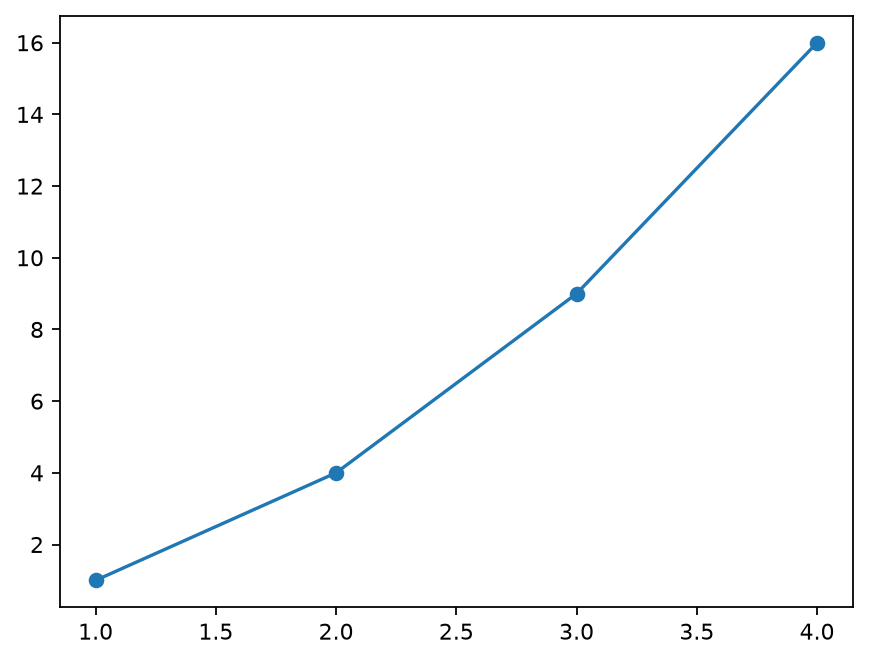
images
from skimage import data, filters

edges = filters.sobel(data.astronaut()[..., 0])
automation
from pathlib import Path

for f in Path("photos").glob("*.jpg"):
    f.rename("trip_" + f.name)
IMG_2041.jpg → trip_IMG_2041.jpg
IMG_2042.jpg → trip_IMG_2042.jpg
… × 1,000
AI
from transformers import pipeline

clf = pipeline("sentiment-analysis")
clf("I love this course!")
[{'label': 'POSITIVE',
'score': 0.9998}]
AI speaks Python.
The three tools
editor
write
where you type the text · VS Code
interpreter
run
reads your file, makes the computer act · Python
terminal
command
where you talk to the computer directly
Lost later in the course? Come back to this picture.
Next steps
Next: the practice video.
Watch it with your hands on the keyboard.
See you in class.